It's one of those trips that can still surprise you. And I did it — I got back yesterday. It's a country that will probably become more westernized soon, so it needs to be explored and understood as quickly as possible.
Here are my raw first impressions of Cuba and travel advice, since 99% of what I was told before leaving was useless and superficial.
When to go
Go from November to March because it's not too hot and there's no constant rain. The climate is still tough because it's extremely humid. Havana is a hellish mix of humidity and heavy smog, worse than New York — keep that in mind and don't stay too long. Sunset is roughly the same as in Europe, so you wake up early.
The 1950s cars
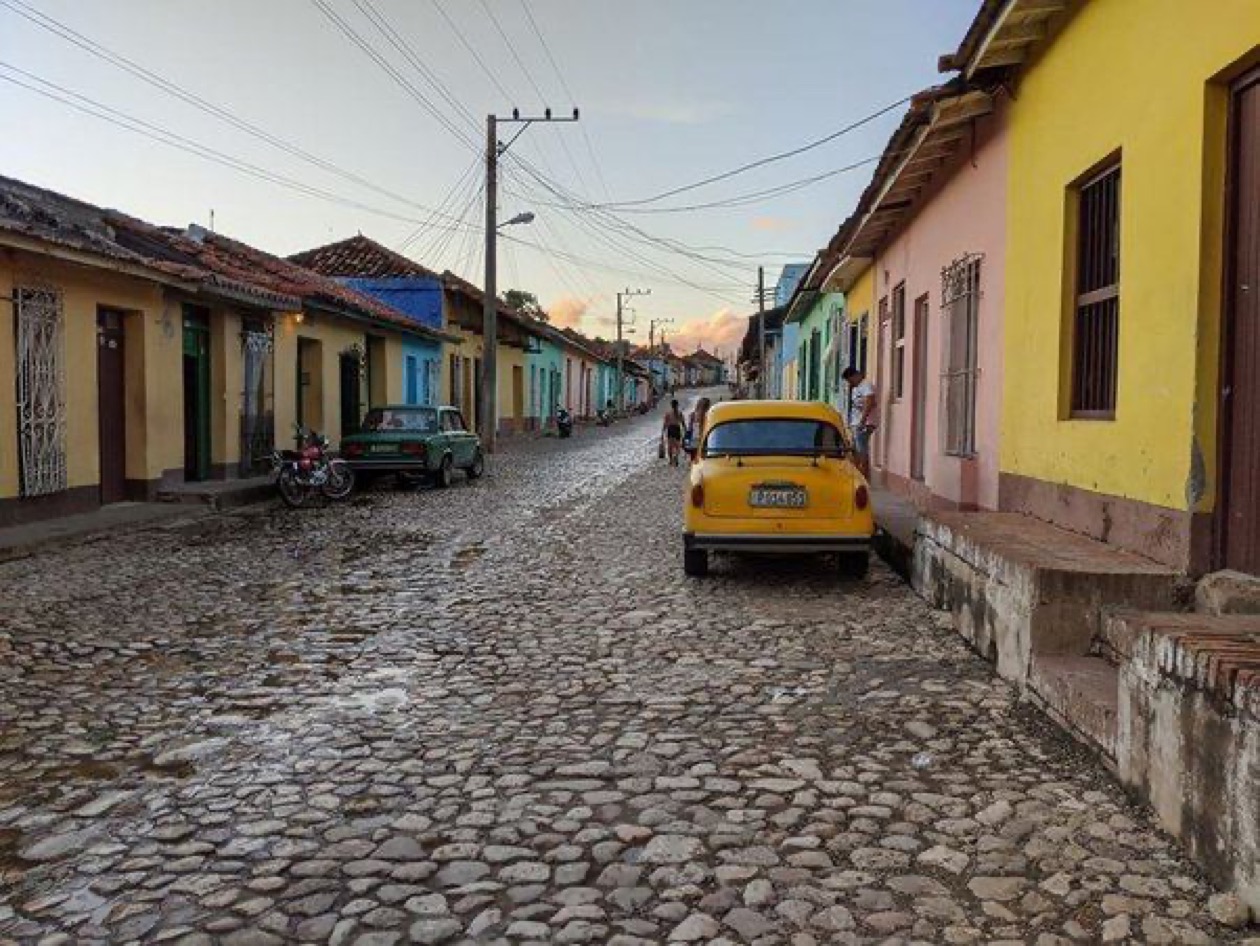
They're genuinely beautiful, and their impossible maintenance shows what people can do when they're desperate. I insist: they're stunning. The contrast between the cars and the colorful houses is breathtaking.
Hotels, resorts and casas particulares
Hot topic. Travel agencies try to stuff your Cuba trip with as many resort nights as possible plus city hotels. This is bad for you and great for them because it's easier to organize.
The truth is you must ask for premium casas particulares in the cities (the local B&Bs), because they're more beautiful, cleaner, and the food is infinitely better than in hotels. They're privately run, while hotels always have government involvement.
Going to Cuba just to sit in resorts is acceptable for two nights max to recover, but anything more and you're just another westerner enjoying artificial structures who then claims to have experienced Cuba. Resorts are physically distant from the real Cuba, not accessible to Cubans, boring, and the food is generally poor due to supply issues. They have dreamy beaches, but you can find those elsewhere. Limit resort nights. Seriously. Maximum 2 or 3.
In Havana, get a casa particular in Vedado or Miramar, not in the old city — that's a tourist trap. A taxi ride is only about 10 CUC (roughly 10 euros).
What to visit and how long to stay
Cuba is demanding if experienced properly. After a while, mental energy fades and everything becomes superficial. And the flight isn't long enough to justify too many nights (via Paris, no more than 12 hours total). I recommend no more than 7-8 nights, including 2 in a resort. Any more and you'll need extra resort nights or accept a more touristy experience. That defeats the purpose of Cuba.
The Cuban people
The hottest topic. They're generally warm-hearted and very supportive of each other, as happens in socialist societies. With tourists, things are more complicated.
In Havana, men will often try to scam you with truly refined techniques — if I went back to university, I'd write a thesis on it, because it's perfect persuasion. In other cities, much less so. Women are always kind and welcoming. If you're Italian, waitresses will make you feel like the most important person on Earth. Understand them: they love our country and see us as incredibly wealthy.
They're a Latin people, so their friendliness is usually one-directional: incredibly open and fantastic, but when someone reciprocates and starts asking questions and making active conversation, they freeze a bit. Test it — it's fun.
In Cuba, people have thousands of layers of storytelling. They need to survive. Before you reach the truth, you have to dig and dig. I found only one person — Alejandro, 27 — with whom I had an honest conversation about Cuba, the regime, and real life. He openly admits he wants to be free. And he is. I adore Alex.
There's essentially no crime. Really. We found ourselves in the worst neighborhoods at night and felt zero danger. Not quite like Paris.
Socialism and poverty
Cuba is poor. Extremely poor. People don't starve simply because the state won't let them starve. But those not working in tourism earn a maximum of a few dozen euros per month, when there's even a salary. That's why nearly everyone in cities works in tourism. Another reason to choose casas particulares and always prefer private services.
Everyone blames Trump and the embargo. Rightly so, but problems existed under Obama too — honest Cubans will tell you. Cuba has lived in deprivation for decades. Supermarkets carry three brands at best, pharmacies lack painkillers and antibiotics. Cars stop because gas stations run out of fuel (happened to me 40 km from Trinidad: pure anxiety). Water is rationed. Electricity too. Blackouts are serious business. The most beat-up car is a luxury for very few. Others just hope buses come, but often they don't — because there's no fuel.
The cities
Havana is chaotic with beautiful corners — Calle de los Mercaderes in the old city, Miramar, the Capitol. Everything is photogenic, but much of it is touristy or staged. Authentic spaces exist but must be sought out. Sleep in Vedado and explore the neighborhood in the evening — that's where real Cubans live.
Trinidad is a gem. Not much to say. Real, unchanged beauty spanning centuries.
Cienfuegos: a couple of French-style streets. Worth an hour. Nothing spectacular.
Santa Clara: I only saw the Che monument. It's impressive and worth a visit.
Overall, the colonial architecture combined with modernism is stunning. Too bad about the ugly blocks from the Batista and revolutionary eras.
Internet
Either get a Cuban prepaid SIM (3 dollars/day plus data) or use one-hour Wi-Fi cards at city hotspots and resorts (one dollar/hour, max 3 hours/day with passport). I chose the second option — you won't need much internet anyway, and the six-hour time difference from Europe limits chat exchanges.
Language
Outside resorts and restaurants, nobody understands English. If you don't speak Spanish beyond the basics, try mixing it with your local dialect — my Venetian worked surprisingly well. Otherwise, conversations with locals become impossible, and that's a shame because you'd miss a real gift.
Music
Let's be honest: after a while, the Latin repertoire gets repetitive. Everything is reggaeton, songs lasting 20-30 minutes, all sounding similar. Sure, the arrangements, voices, and off-beat rhythms are lovely. The abundance of salsa teachers is impressive. But at some point, you surrender.
The first few days are fun, I admit. Comandante Che Guevara — you'll hear it everywhere. Accept it as a tourist tax.